- 35.7 inYearly rain, New Braunfels
- CfaHumid subtropical climate
- May & OctWettest months
01Two common methods
Polyurethane foam leveling injects an expanding foam through holes about the size of a coin; it is light and cures quickly. Mudjacking or slurry leveling pumps a cement-based mix through larger holes. Both fill voids and lift the slab; ask which one the contractor uses and why.
02Where it is used
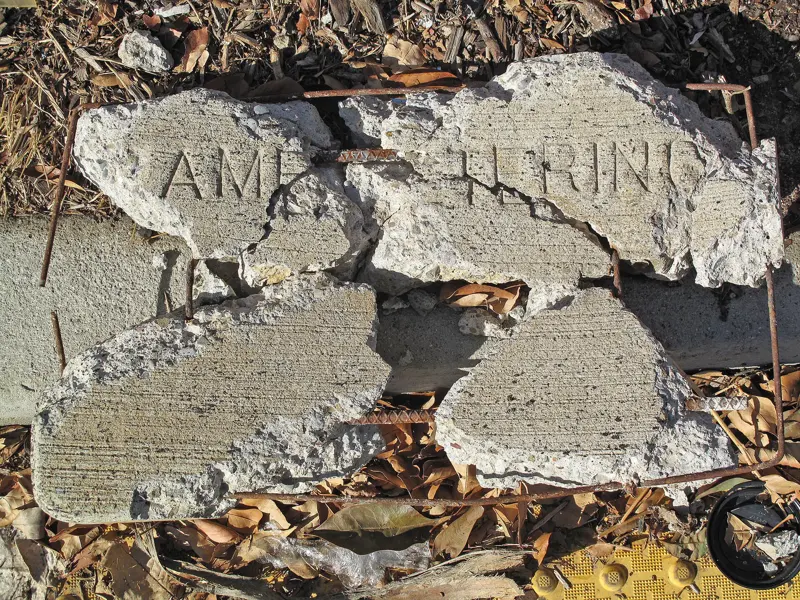
Typical jobs include driveway and garage approach slabs, front walks, patios, pool decks and steps. It is for flatwork. A house slab that has settled is a different problem; see slab foundation repair.
03Why slabs sink
Water washing out soil from under the edge, poorly compacted fill and clay that shrinks in drought all leave voids. If downspouts empty onto the slab or water ponds against it, fix that too, or the void may come back; drainage correction covers it.
04What to expect
The crew drills, injects in small amounts while watching the slab rise, then patches the holes. Joints and cracks may be sealed afterward. Most residential jobs are done in a day, and foam-lifted slabs are often usable soon after.
05Questions to ask
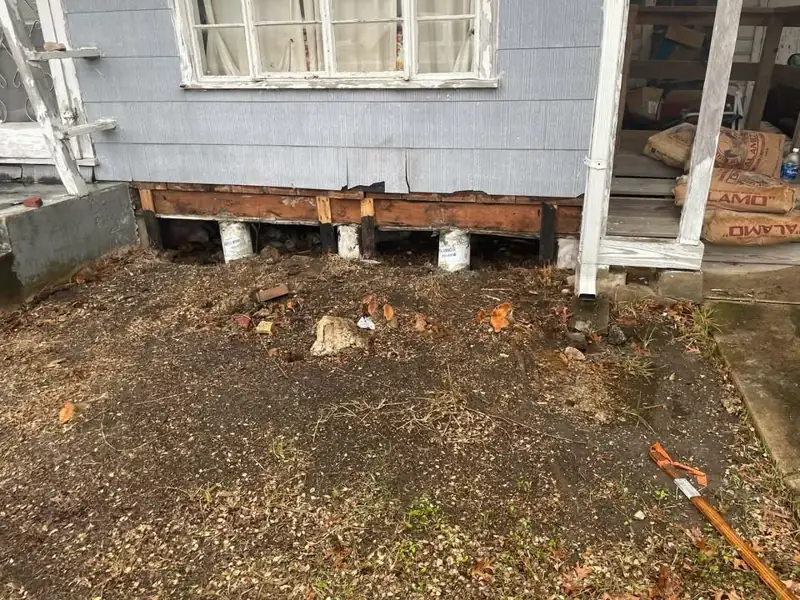
Ask how many holes will be drilled and how they are patched, how much lift is realistic for a badly broken slab, whether cracked panels should be replaced instead, and what the warranty covers. Cracks in the house itself are handled on foundation crack repair.
Photos