- 35.7 inYearly rain, New Braunfels
- CfaHumid subtropical climate
- May & OctWettest months
01What gets measured
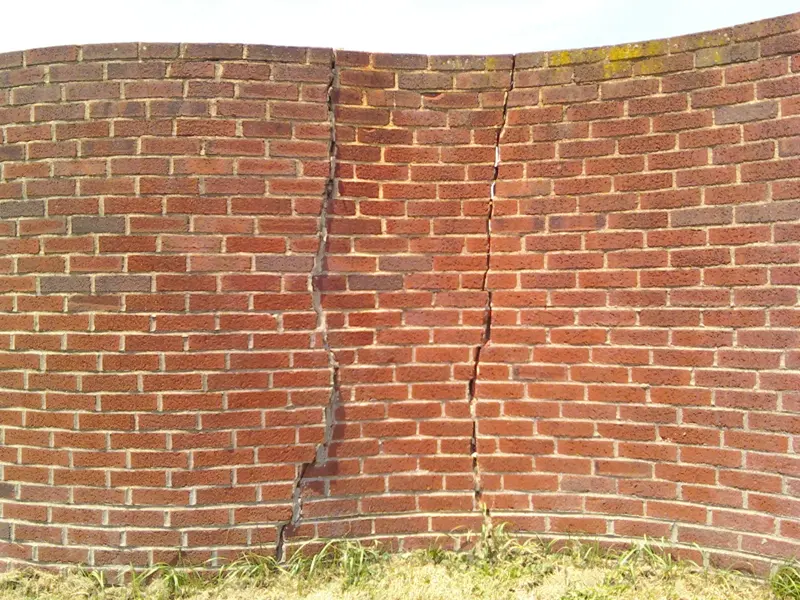
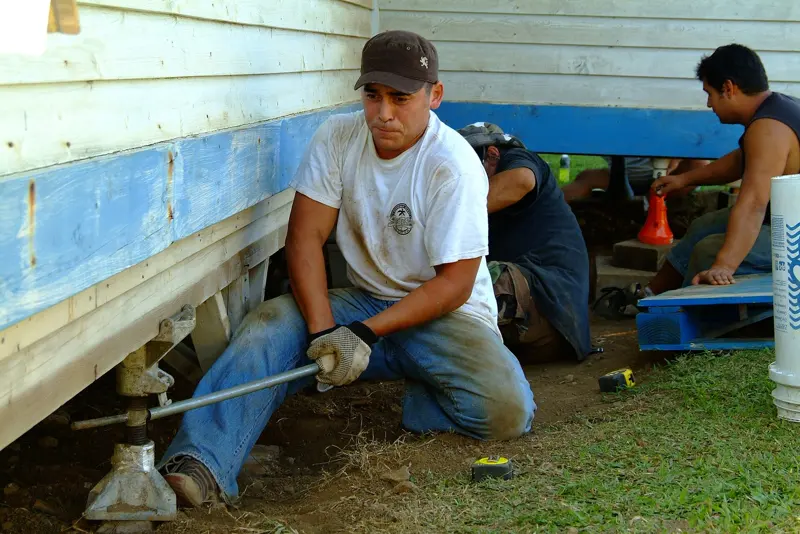
An inspector or contractor records floor elevations room by room, notes crack patterns inside and out, checks doors and windows for racking, and looks at the soil, grading and gutters around the house. On raised homes they crawl under the floor to look at pads, beams and moisture.
02Contractor evaluation or engineer report
A contractor evaluation is often low cost and leads to a repair proposal. A licensed structural engineer's report is independent of any sale and is what lenders, buyers and insurers trust most. For a real estate deal or a large repair, the engineer's report is worth the fee.
03After the inspection
If repair is needed, the findings point to slab foundation repair, raised floor work or simply drainage correction.
04What to bring to an evaluation
Past repair paperwork, warranty info, and notes on when cracks appeared. Ask for the elevation map.
Option compare
Contractor inspection versus engineer report
A first look and repair plan
Home sales, disputes, big repairs
Readings and a proposal
Stamped report
Owners deciding next steps
Buyers, lenders, insurers
Comal and Guadalupe counties
How this fits local homes
What it covers
Cracks, floors, doors, drainage and the crawl space or slab edge.
Elevation survey
A floor height map shows movement.
Written findings
Ask for photos and measurements.
Contractor or engineer
Engineers give an independent opinion.
Around New Braunfels
How this plays out locally
- Buying a home in a new subdivision
- Newer slabs on expansive clay can still move. An inspection with elevation readings before closing documents the starting point.
- Selling an older home
- A written report helps buyers and lenders understand past repairs and current condition.
- After a long drought
- Cracks and sticking doors appear when clay dries. An inspection tells you whether it is seasonal or ongoing.
- Insurance or warranty claims
- Some claims need a written report with readings. Ask what format your insurer or warranty company wants.
- Getting a second opinion
- Two proposals based on the same readings make it easier to compare prices and plans.
Decision help
Is this the right fix for your house?
Buying a home
An engineer report helps negotiation.
Warranty claim
Documentation helps.
New cracks after drought
Separate seasonal movement from settlement.
After repair
Confirm stability.
Local scenarios
What this looks like in the New Braunfels area
Buying in a new subdivision. Even new homes can settle on poorly compacted pads. An inspection before the builder warranty ends documents any movement while the builder is still responsible.
Buying an older home near downtown. Older pier-and-beam homes should have the crawl space checked for sinking piers, rotted sills and moisture.
After a long drought. Drought shrinks clay and can open new cracks. An inspection helps tell seasonal movement from settlement that needs repair.
Selling your home. A recent report and records of past repairs help buyers feel confident.
Hill Country lot. On rock, the inspector should look closely at fill areas and drainage.
What to expect
How the job usually goes
- 1
Outside walk
Brick, veneer, grading.
- 2
Inside walk
Doors, drywall, floors.
- 3
Readings
Elevation survey.
- 4
Below
Crawl space if present.
- 5
Report
Findings and options.
Avoid these
Common mistakes
- No readings Guesswork.
- Skipping the crawl space Problems hide there.
- Only a sales pitch Get findings in writing.
- Ignoring drainage Water matters.
Cost drivers
What changes the price here
Report type. A contractor assessment costs less than an engineer's stamped report.
Home size. Larger homes take more readings.
Crawl access. Tight crawl spaces take longer to inspect.
Before you sign
Questions to ask the crew
Is the report written?
Ask for readings on a floor plan sketch.
Will I get an elevation map?
Ask for the readings on a floor plan sketch.