Rock vs clay
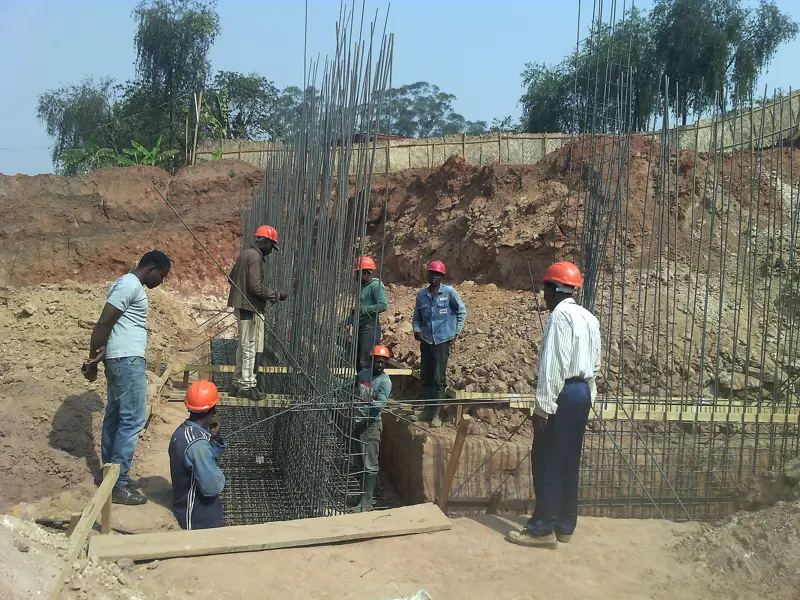
Piers stop at shallow limestone on some west-side lots and run deeper in eastern clay.
Keep water from undermining the foundation
New Braunfels gets about 36 inches of rain a year, and much of it can fall in a few heavy storms. Where that water goes after it leaves the roof decides a lot about how a foundation behaves.
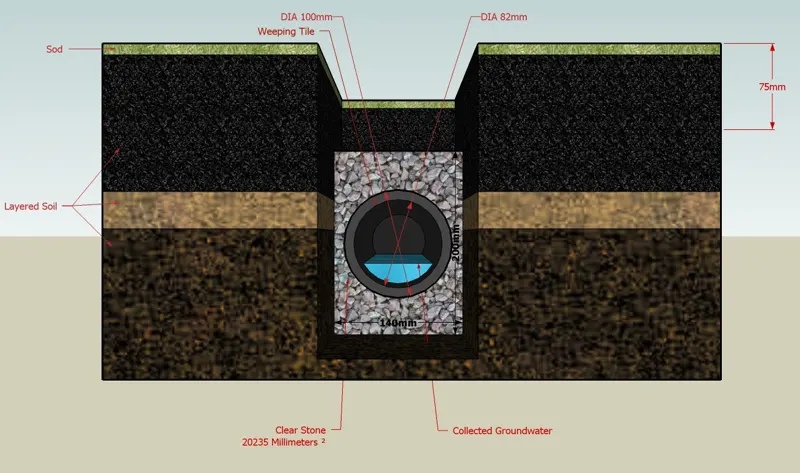
Regrading soil so it slopes away from the house, extending downspouts, adding French drains or surface drains, and correcting flower beds that trap water against the slab are the most common jobs. On hillside lots, a drain across the uphill side can stop runoff from soaking under the house.
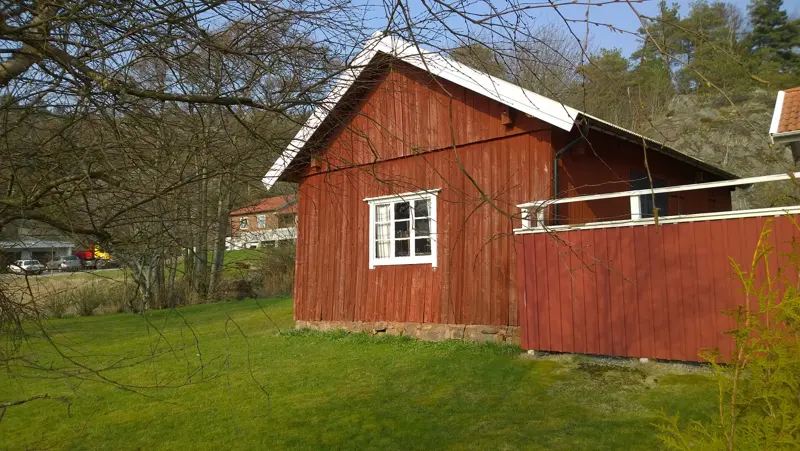
Clay that stays wet on one side of a house and dry on the other moves unevenly. Even moisture is the goal. That is why drainage is often recommended along with house leveling or pier work, and why some crews suggest controlled watering during drought.
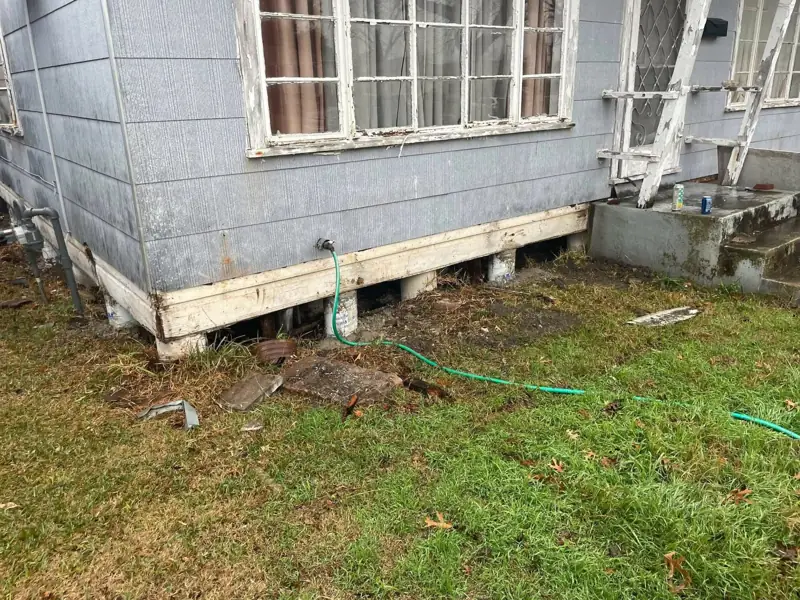
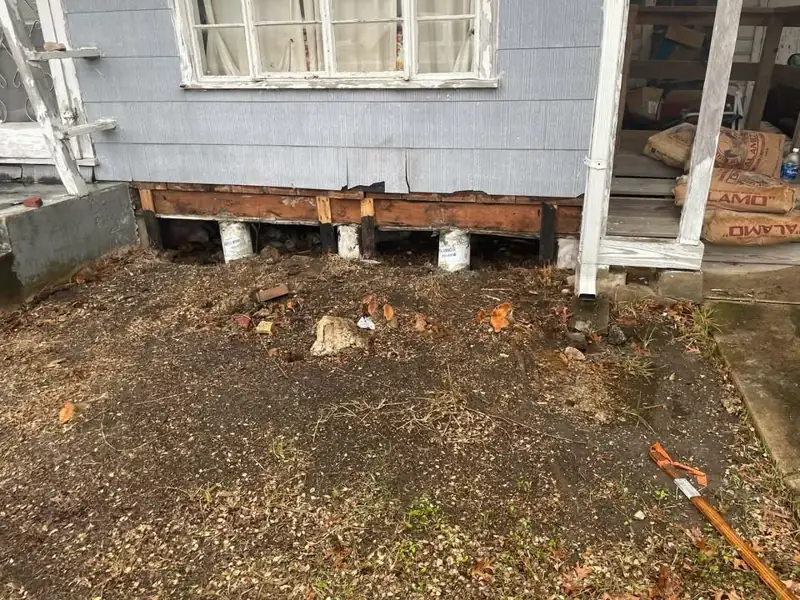
Water pooling under a raised floor rots wood and softens pier pads. Pair surface drainage with crawl space repair if the crawl space stays damp.
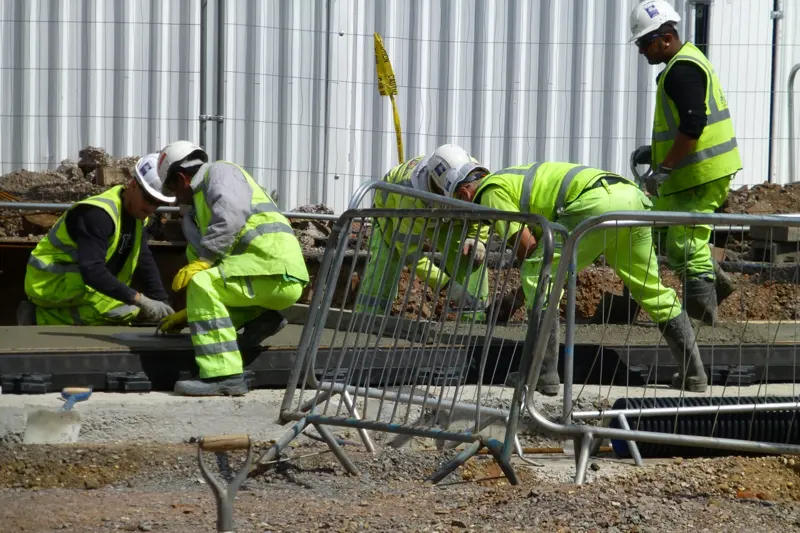
French drains, gutters, downspout lines and regrading send flash runoff away. On sloped lots, an uphill swale can be key.
How water gets fixed
Find where water actually goes.
Downspouts sent away from the slab.
Soil sloped or a French drain added.
Confirm the fix holds.
Comal and Guadalupe counties
Heavy bursts of rain along the Balcones edge send fast runoff across lots.
Extensions carry roof water away from the beam.
Soil should slope away from the slab.
Uphill swales route water around homes.
Around New Braunfels
Runoff from an uphill neighbor on the Hill Country side. Sloped lots west of I-35 send water toward downhill houses. A swale or French drain carries it around, though shallow limestone can slow trenching.
Flat lots on prairie clay. Clay drains slowly, so water sits by the slab after storms. Downspout extensions and regrading move it away and keep moisture more even through the year.
Gutters overflowing under live oaks. Leaves and pollen from live oaks clog gutters fast, so overflow soaks the soil at the foundation. Gutter guards and regular cleaning are part of good drainage.
Decision help
Swale or French drain.
Regrade and extend downspouts.
Steady moisture.
Grading and drains.
Local scenarios
A Hill Country lot in Canyon Lake or Bulverde. Flash rain runs fast across thin soil over rock. An uphill swale or French drain routes it around the house so it does not wash under slab edges.
A prairie-side lot in Seguin or Cibolo. Flat clay lots drain slowly. Regrading and carrying downspouts several feet out keep clay at the slab from staying soaked.
What to expect
See where water goes.
Clean and extend.
Slope soil away.
French or surface drains.
Safe outlet.
Avoid these
Extensions mowed off
Bury lines.
Beds piled high
Slope toward the wall.
Draining to a neighbor
Causes disputes.
One side only
Water comes from several places.
Cost drivers
Before you sign
Why trust us
Crews work both sides of I-35, from Hill Country limestone to the clay toward Seguin.
A clear written scope, with method, supports and warranty, before anyone lifts your home.
Every guide here is read by repair specialist Arturo Muñoz.
A request starts a conversation, not a contract.
Pricing
Piers stop at shallow limestone on some west-side lots and run deeper in eastern clay.
Every pier adds materials and labor; ask for a layout drawing.
Two-story and pier and beam homes need different equipment.
Low lots near the rivers may need grading or drains alongside repair.
Often requested for sales or insurance; adds a fee but an independent view.
Ground conditions
Questions
It can slow clay movement but will not lift.
A gravel trench with pipe.
Some do.
Steady moisture in drought helps.
Rules vary.
Soil should drop away.
Talk to a foundation crew that works New Braunfels ground.
Ready when you are
Pick the service, tell us your timing, and add your contact details. A local pro follows up to confirm the details.