01Types of cracks
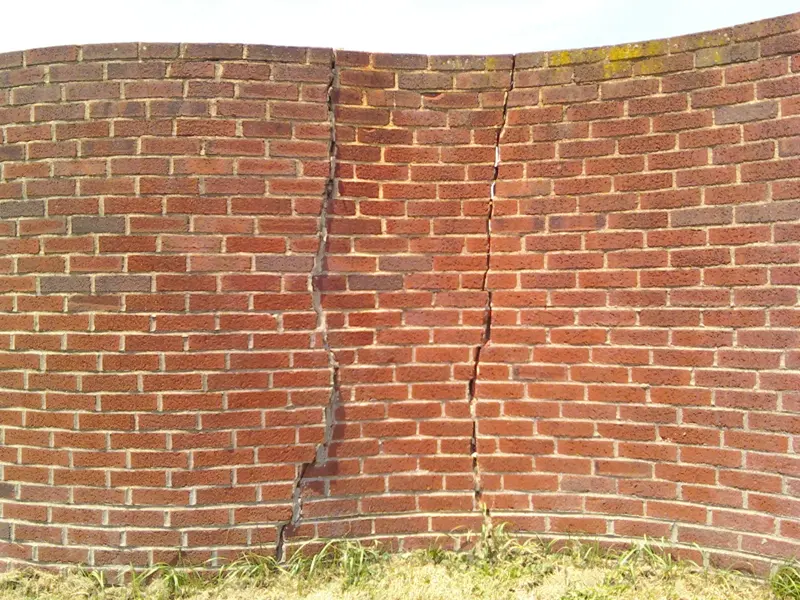
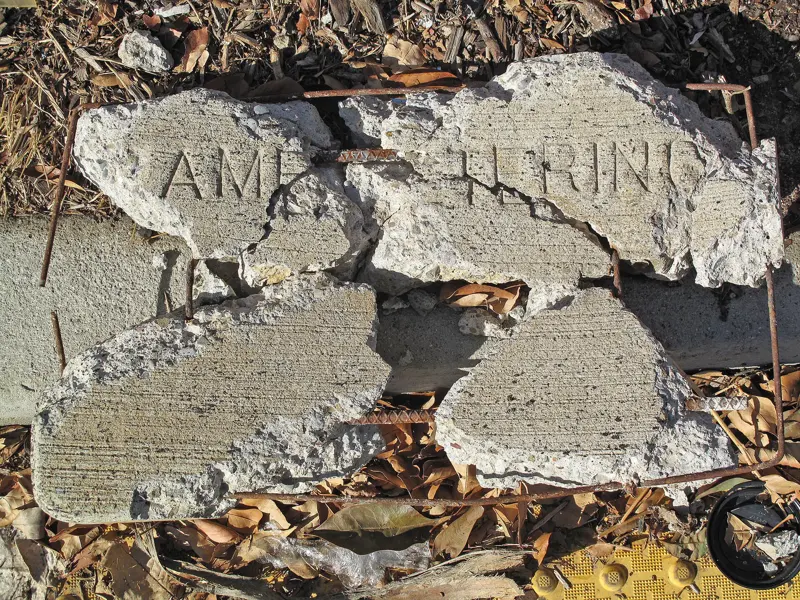
Thin vertical cracks in a slab edge are often shrinkage. Stair-step cracks in brick, cracks wider at one end, or cracks that grow season to season point to movement. Measuring and photographing a crack over a few months tells you a lot.
02How cracks are repaired
Small cracks can be sealed with epoxy or polyurethane injection to keep water and insects out. Brick cracks are repointed. If the crack is from active movement, sealing alone will just crack again, so a foundation inspection should come first.
03Bigger picture
When movement is confirmed, crack repair usually follows slab foundation repair so the patch has a stable base.
04Sealing vs structural repair
Injection seals cracks from water; it does not lift a slab. Structural cracks need the cause addressed.
Repair options
Ways a crack can be handled
Epoxy injection
Bonds a non-moving crack.
Flexible sealant
For cracks that open and close.
Monitor
Mark the ends and date them.
Structural repair
When the crack is a symptom.
Comal and Guadalupe counties
How this fits local homes
Which cracks matter
Hairline shrinkage cracks are common; growing or offset cracks are not.
Veneer cracks
Stone and brick veneer common in the Hill Country shows movement clearly.
Sealing
Injection seals cracks; it does not lift a slab.
Measure and date
Track growth.
Around New Braunfels
How this plays out locally
- Hairline slab cracks after a dry summer
- Clay shrinks in long dry spells and cracks can open, then close after fall rain. Marking the ends and dates tells you whether a crack is growing.
- A crack with one side higher
- An offset crack points to movement, so an elevation survey and possibly piers should come before sealing.
- Cracks in brick veneer
- Stair-step cracks in brick are usually a symptom; compare them with door and floor problems before deciding.
- A garage slab crack
- Garage slabs often crack from shrinkage alone. Sealing keeps water out; structural repair is rarely needed unless the crack is offset.
Decision help
Is this the right fix for your house?
Hairline, stable
Monitor.
Growing crack
Find the cause.
Offset crack
Evaluate.
Veneer stair-step
Measure.
Local scenarios
What this looks like in the New Braunfels area
Stair-step cracks in Hill Country stone veneer. Stone veneer is rigid and shows small movements as long diagonal cracks. If the slab under it has stopped moving, repointing the mortar restores the look; if it is still moving, the cause needs fixing first.
A crack across a garage slab in Schertz or Cibolo. Garage slabs on clay often crack from shrinkage. If both sides stay level and the crack stays the same width, sealing it is enough.
Diagonal drywall cracks from door corners. These often open in late summer when clay shrinks and close again after rain. Track them for a full season before deciding on repairs.
A crack that widens every summer. Steady growth points to settlement. Get an elevation survey to see whether piers are needed.
Cracks after a plumbing leak. A leak under a slab can soften clay or wash out soil; fix the leak first.
What to expect
How the job usually goes
- 1
Identify
Direction and width.
- 2
Check movement
Dated marks.
- 3
Fix cause
Piers or drainage.
- 4
Seal
Injection or repointing.
- 5
Recheck
After a season.
Avoid these
Common mistakes
- Caulking a structural crack Hides it.
- No baseline Can't track.
- Painting over Hides growth.
- Skipping the cause It returns.
Cost drivers
What changes the price here
Crack length and width. Longer or wider cracks need more material.
Injection material. Epoxy and polyurethane differ in cost and use.
Cause. Cracks from movement need structural work first.
Before you sign
Questions to ask the crew
Is this crack structural?
Ask how they decide.
Photos