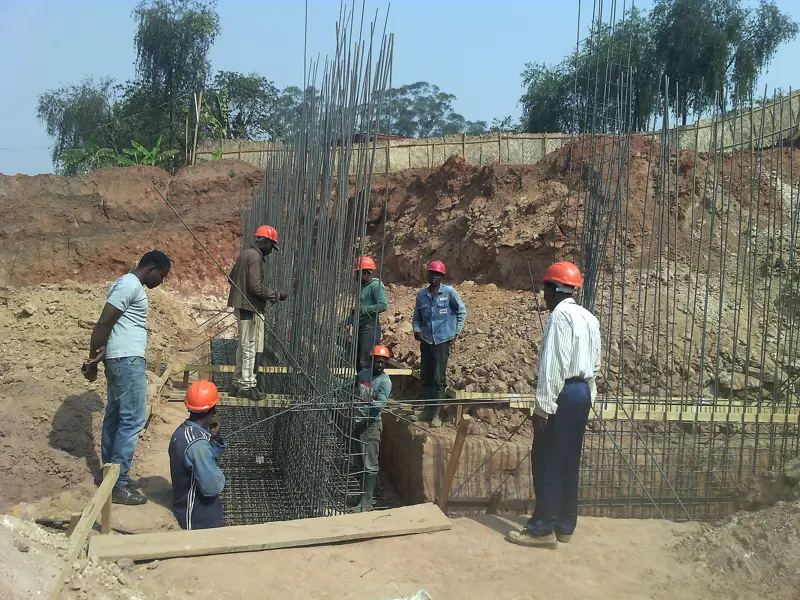
Rock vs clay
Piers stop at shallow limestone on some west-side lots and run deeper in eastern clay.
Moisture, supports and access under raised homes
The crawl space is where raised homes in New Braunfels quietly fail. Standing water, poor venting and pests weaken wood long before anything shows upstairs.
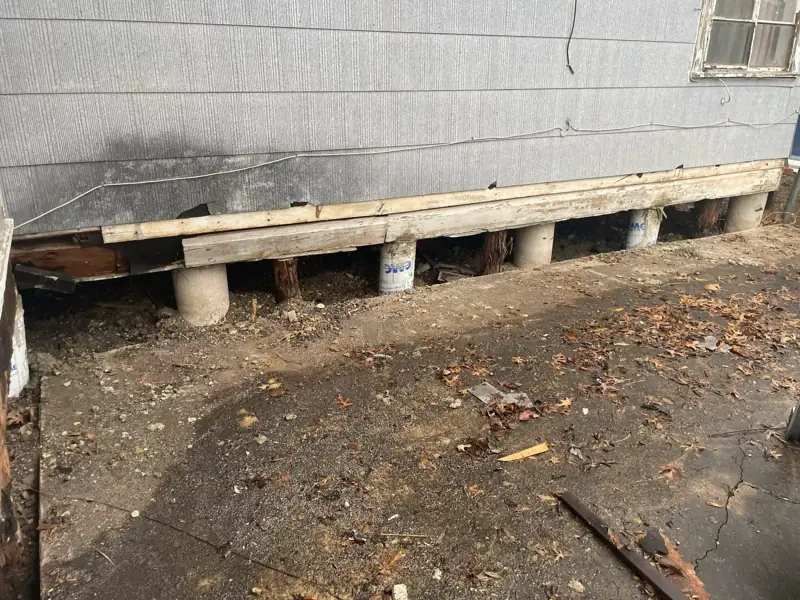
Crews replace rotted joists and sills, add supports under sagging spans, install vapor barriers, improve venting and clear debris. Where pads have sunk, new forms are set and poured, as seen in the project photo here.
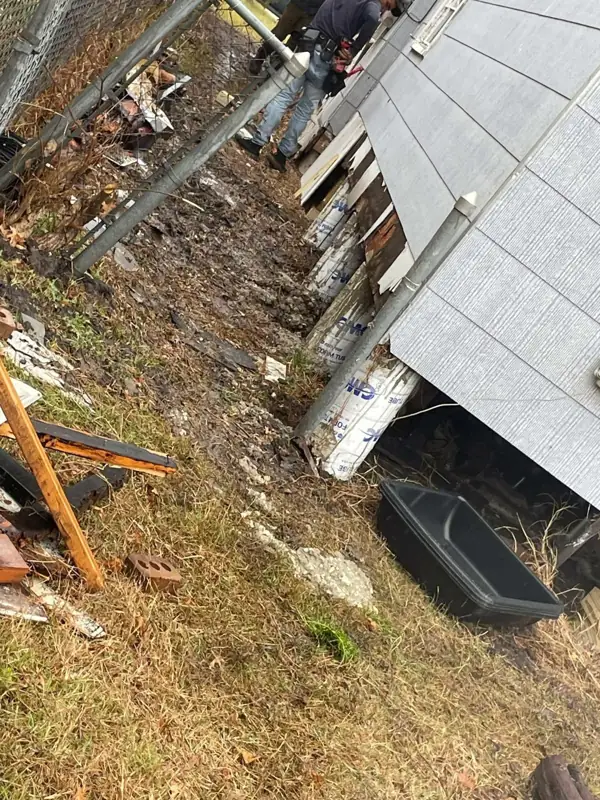
A plastic ground cover and working vents go a long way. In very damp crawl spaces a sump or perimeter drain may be needed, tying in with drainage correction outside.
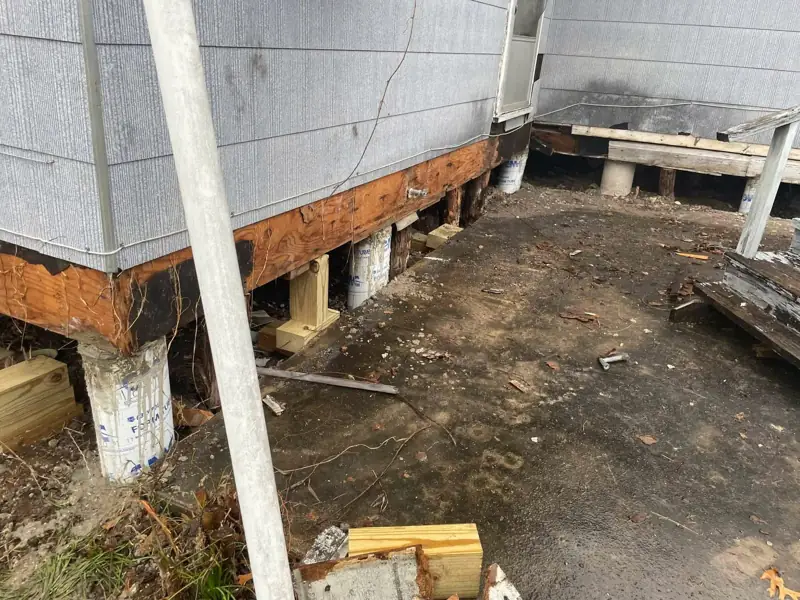
If joists are sagging or pads have moved, the work overlaps with pier and beam repair.
Vapor barriers, vents, sump pits or encapsulation, plus wood repair. Ask why each item is recommended.
Cost factors
| Factor | Why it matters |
|---|---|
| Crawl height | Tight spaces slow every task. |
| Moisture source | Drainage fixes may come first. |
| Wood damage | Rot repair adds material. |
| Barrier coverage | Full or partial encapsulation. |
Comal and Guadalupe counties
Homes near the Comal and Guadalupe rivers often have damp crawl spaces.
A barrier over soil cuts moisture.
Failing piers are replaced.
Sealing with a dehumidifier controls humidity.
Around New Braunfels
Decision help
Grading first.
Replace wood.
Add supports.
Barrier and ventilation.
Local scenarios
A 1940s house near the Comal River. Older houses close to the river tend to have damp soil and high humidity underneath. Typical work includes replacing rotted sills, adding piers, laying a heavy vapor barrier and improving airflow or adding a dehumidifier.
Water standing after storms. If water stands under the house after heavy rain, the first fix is outside: gutters, downspouts and grading. A sump pit is added only if water still collects.
A musty smell inside the house. Damp crawl space air rises into living areas. A barrier over the soil and controlled ventilation usually reduce the smell.
Insulation falling from the floor. Wet insulation falls and holds moisture against wood. It should be removed and replaced once the space is dry.
Pests under the house. Damp wood attracts termites and other pests; dry crawl spaces are less inviting.
What to expect
Moisture, wood, piers.
Grading and gutters.
Wood and piers.
Barrier or encapsulation.
Check after summer.
Avoid these
Cost drivers
Barrier thickness. Thicker vapor barriers cost more and last longer.
Dehumidifier. A sealed crawl space usually needs one.
Water removal. A sump and drains add cost where water collects.
Before you sign
Is the warranty written and transferable?
A transferable warranty helps when you sell.
What barrier thickness do you use?
Thicker barriers resist tears from foot traffic during later repairs.
Is a dehumidifier included in encapsulation?
A sealed space needs one to control humidity.
Why trust us
Crews work both sides of I-35, from Hill Country limestone to the clay toward Seguin.
A clear written scope, with method, supports and warranty, before anyone lifts your home.
Every guide here is read by repair specialist Arturo Muñoz.
A request starts a conversation, not a contract.
Pricing
Piers stop at shallow limestone on some west-side lots and run deeper in eastern clay.
Every pier adds materials and labor; ask for a layout drawing.
Two-story and pier and beam homes need different equipment.
Low lots near the rivers may need grading or drains alongside repair.
Often requested for sales or insurance; adds a fee but an independent view.
Questions
Only with full encapsulation.
Often for mild damp.
Piers or rot.
Moisture control helps.
If water collects.
Years with care.
Talk to a foundation crew that works New Braunfels ground.
Ready when you are
Pick the service, tell us your timing, and add your contact details. A local pro follows up to confirm the details.