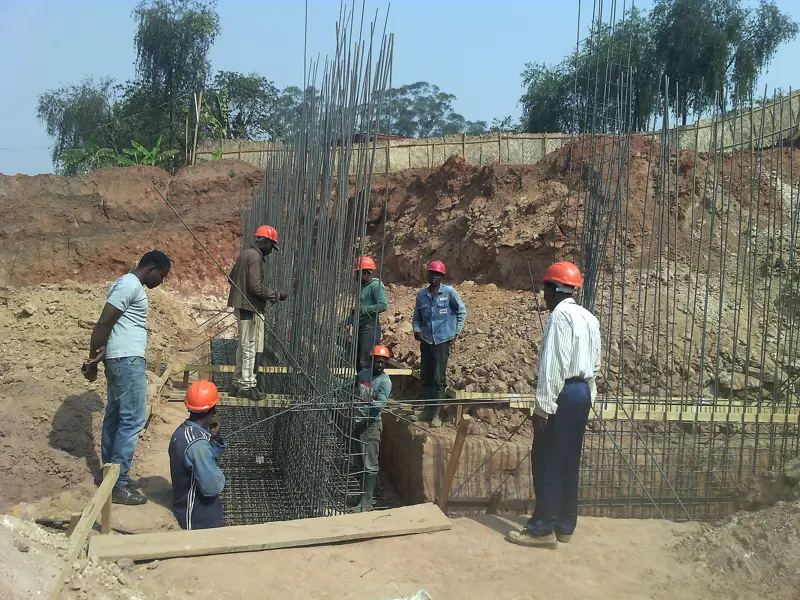
Rock vs clay
Piers stop at shallow limestone on some west-side lots and run deeper in eastern clay.
Find the cause before paying for a fix
Buying a house in the hills, noticing a new crack after a dry summer, or just wanting a second opinion: an inspection tells you whether the foundation is actually moving and why.
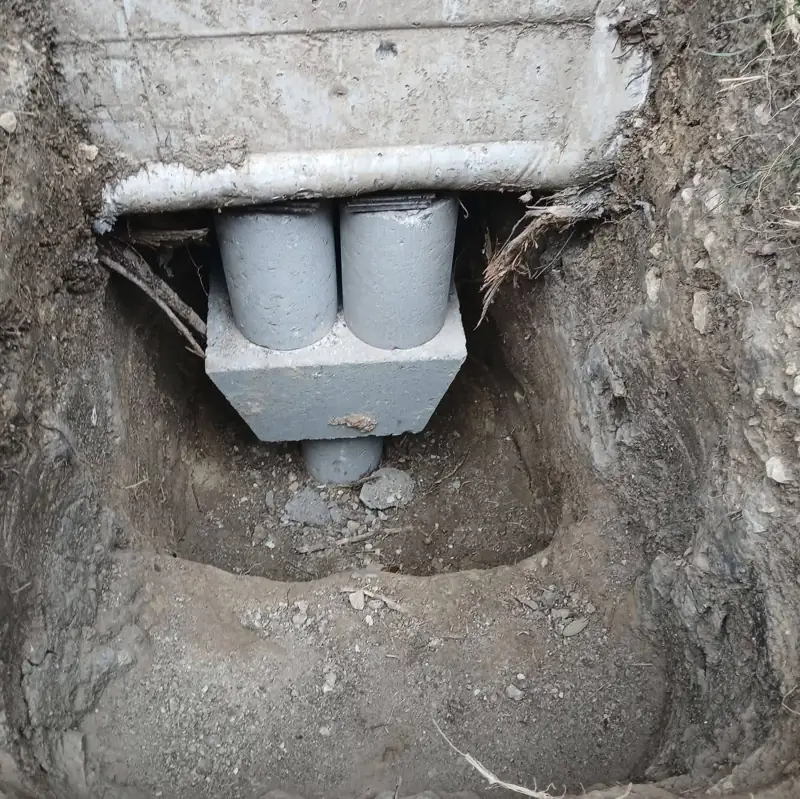
An inspector or contractor records floor elevations room by room, notes crack patterns inside and out, checks doors and windows for racking, and looks at the soil, grading and gutters around the house. On raised homes they crawl under the floor to look at pads, beams and moisture.
A contractor evaluation is often low cost and leads to a repair proposal. A licensed structural engineer's report is independent of any sale and is what lenders, buyers and insurers trust most. For a real estate deal or a large repair, the engineer's report is worth the fee.
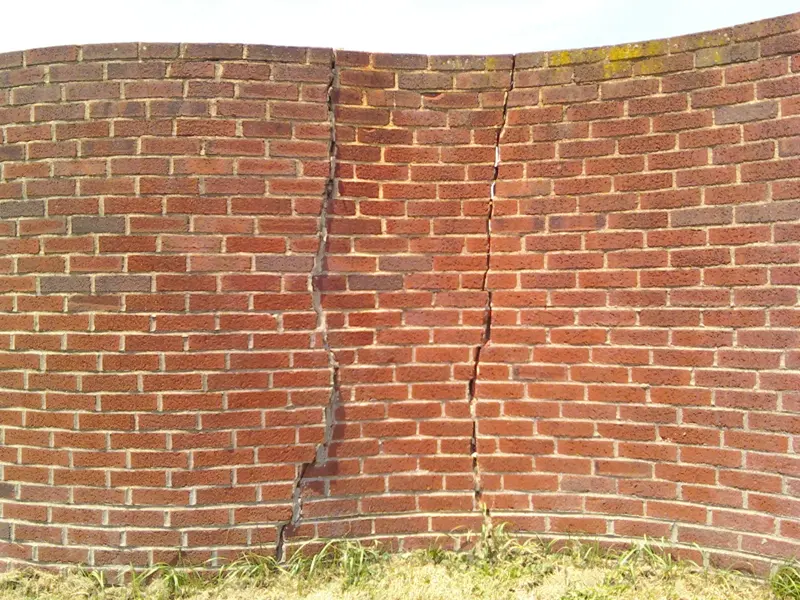
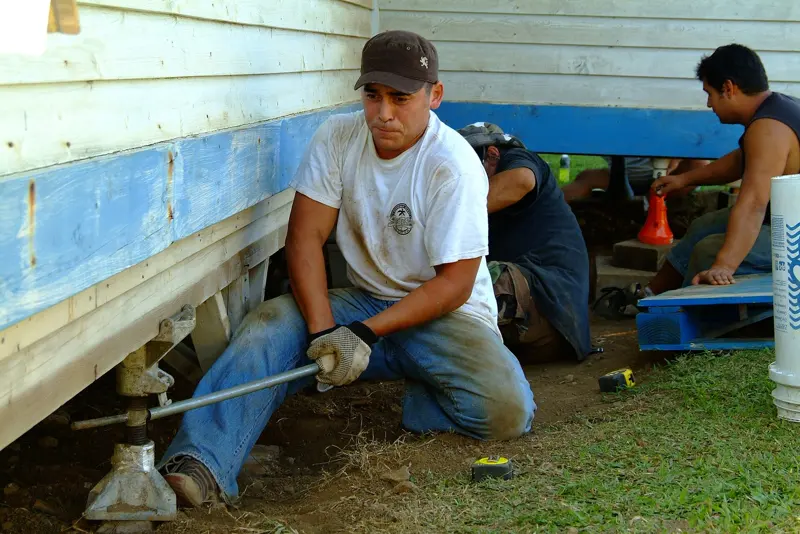
If repair is needed, the findings point to slab foundation repair, raised floor work or simply drainage correction.
Pricing
Piers stop at shallow limestone on some west-side lots and run deeper in eastern clay.
Every pier adds materials and labor; ask for a layout drawing.
Two-story and pier and beam homes need different equipment.
Low lots near the rivers may need grading or drains alongside repair.
Often requested for sales or insurance; adds a fee but an independent view.
Ground conditions
How the work usually goes
Elevations, crack patterns, drainage and soil type are checked to find why the house moved.
The contractor writes up pier layout, depth, drainage fixes and warranty terms.
Piers or new supports go in and the home is raised toward level as far as framing allows.
Final readings are recorded so future movement can be compared against them.
Questions
No. Concrete shrinks as it cures, and many hairline cracks are cosmetic. Width, pattern and change over time matter more.
Most take one to two hours on site.
Talk to a foundation crew that works New Braunfels ground.
Takes under a minute
Talk to a foundation crew that works New Braunfels ground.