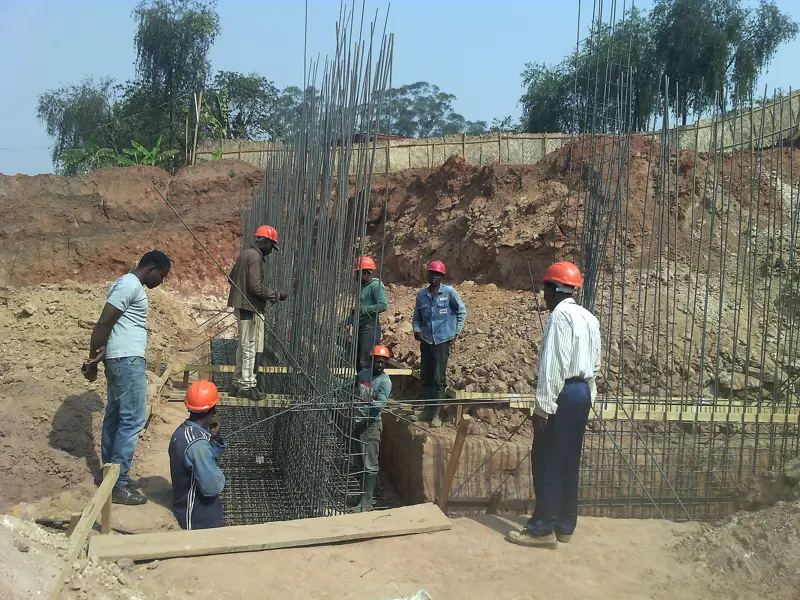
Rock vs clay
Piers stop at shallow limestone on some west-side lots and run deeper in eastern clay.
Moisture, supports and access under raised homes
The crawl space is where raised homes in New Braunfels quietly fail. Standing water, poor venting and pests weaken wood long before anything shows upstairs.
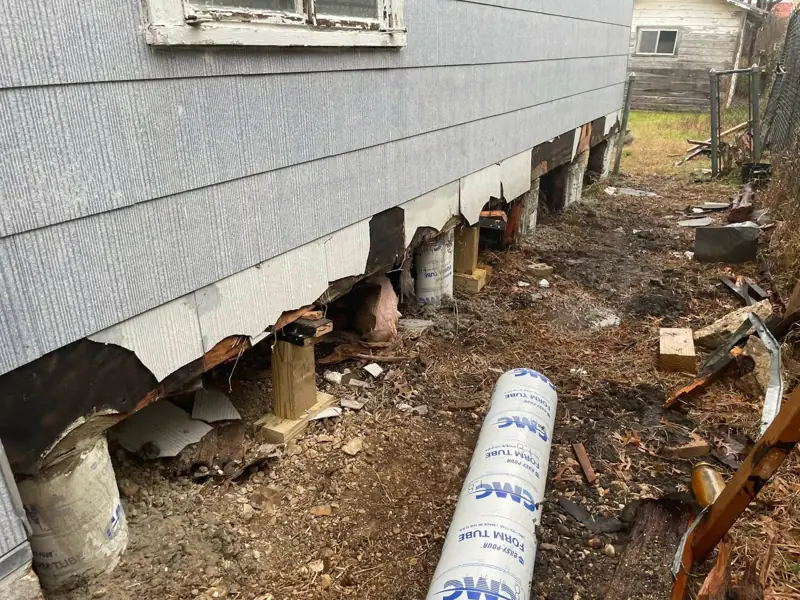
Crews replace rotted joists and sills, add supports under sagging spans, install vapor barriers, improve venting and clear debris. Where pads have sunk, new forms are set and poured, as seen in the project photo here.
A plastic ground cover and working vents go a long way. In very damp crawl spaces a sump or perimeter drain may be needed, tying in with drainage correction outside.
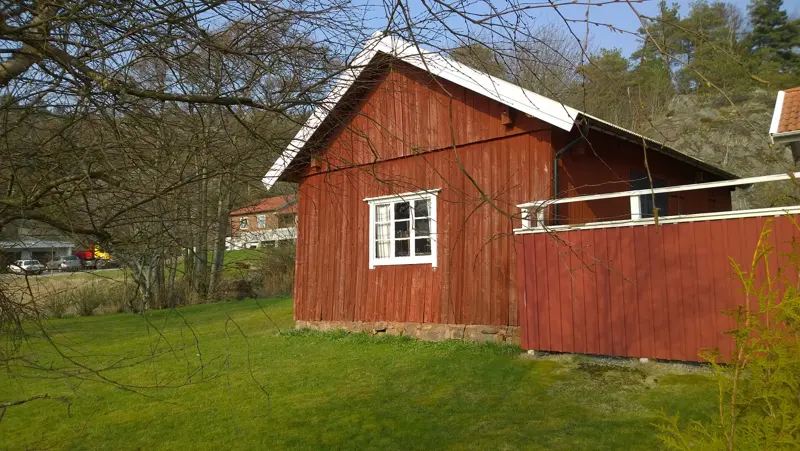
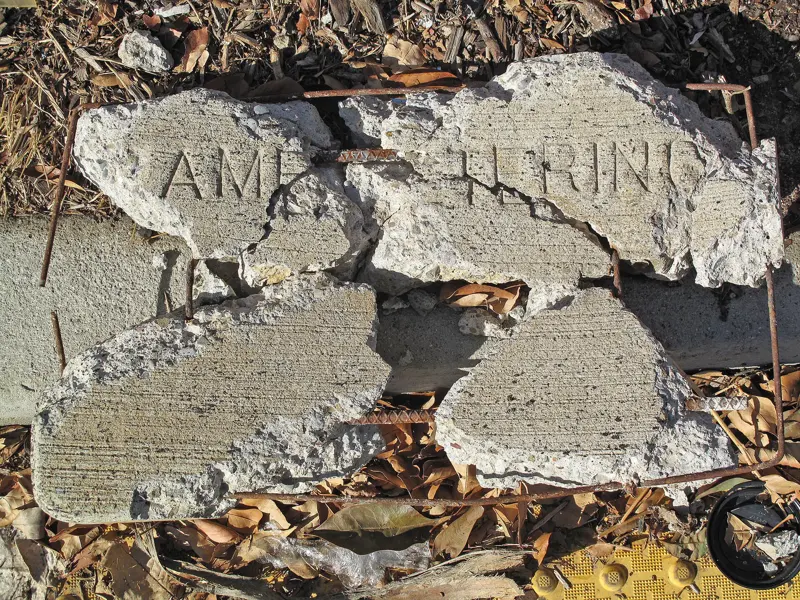
If joists are sagging or pads have moved, the work overlaps with pier and beam repair.
Pricing
Piers stop at shallow limestone on some west-side lots and run deeper in eastern clay.
Every pier adds materials and labor; ask for a layout drawing.
Two-story and pier and beam homes need different equipment.
Low lots near the rivers may need grading or drains alongside repair.
Often requested for sales or insurance; adds a fee but an independent view.
Ground conditions
How the work usually goes
Elevations, crack patterns, drainage and soil type are checked to find why the house moved.
The contractor writes up pier layout, depth, drainage fixes and warranty terms.
Piers or new supports go in and the home is raised toward level as far as framing allows.
Final readings are recorded so future movement can be compared against them.
Questions
In most crawl spaces, yes. It reduces moisture that reaches the framing.
Full encapsulation is a bigger project. Many homes do well with a barrier and good drainage.
Talk to a foundation crew that works New Braunfels ground.
Takes under a minute
Talk to a foundation crew that works New Braunfels ground.